
Key Takeaways
- Falls can affect an older adult’s mobility, confidence, independence, and overall quality of life.
- Changes in strength and balance, medications, vision, and household hazards can all increase fall risk.
- Assisted living can reduce common risks through safer spaces, personalized support, wellness programs, and consistent daily routines.
- Families should consider both the physical environment and available support when comparing assisted living communities.
Why Fall Prevention Matters in Senior Living
A fall can happen in an instant, and the aftermath can change everything. For older adults, a single fall can lead to weeks of recovery, lost mobility, and a real dip in how they feel about moving through daily life. It’s one of the most common concerns families have when thinking about a loved one’s safety at home.
Assisted living can help reduce those risks without asking older adults to give up an active, independent lifestyle. Safer surroundings, personalized support, regular movement, and reliable daily routines address several factors that can contribute to falls. Together, these layers of support create more opportunities for residents to move through their day with confidence.
The Risks of Falls for Seniors
Falls can have consequences that last well beyond the initial injury. Even after the physical damage heals, an older adult may feel less confident walking, exercising, or handling everyday activities independently.
Even a minor fall can lead to:
- Fractures and other injuries
- Hospitalization and extended recovery
- Reduced mobility
- Loss of strength during recovery
- Fear of falling again
- Reduced confidence and independence
- Increased need for daily support
Recovery can create its own challenges, especially if an older adult becomes less active because they’re worried about another fall. Preventing falls in the first place can protect mobility, confidence, and independence.
Common Causes of Falls for Seniors
There isn’t one reason older adults fall. Often, several smaller risk factors overlap, from changes in balance or vision to an everyday hazard that might once have been easy to avoid.
Many older adults are at a higher risk of falls due to:
- Reduced strength or balance
- Changes in vision
- Medication side effects
- Dizziness or changes in blood pressure
- Mobility challenges
- Poor lighting
- Clutter and tripping hazards
- Slippery or uneven surfaces
- Inappropriate footwear
Some of these risks come from the environment, while others are connected to an older adult’s changing health or mobility needs. Effective fall prevention accounts for the bigger picture rather than relying on a single safety measure.
How Assisted Living Reduces Fall Risks
Fall prevention works best in layers. Assisted living combines an accessible environment with personalized support, wellness opportunities, and daily routines that can make safer movement a natural part of everyday life.
Safer Living Spaces
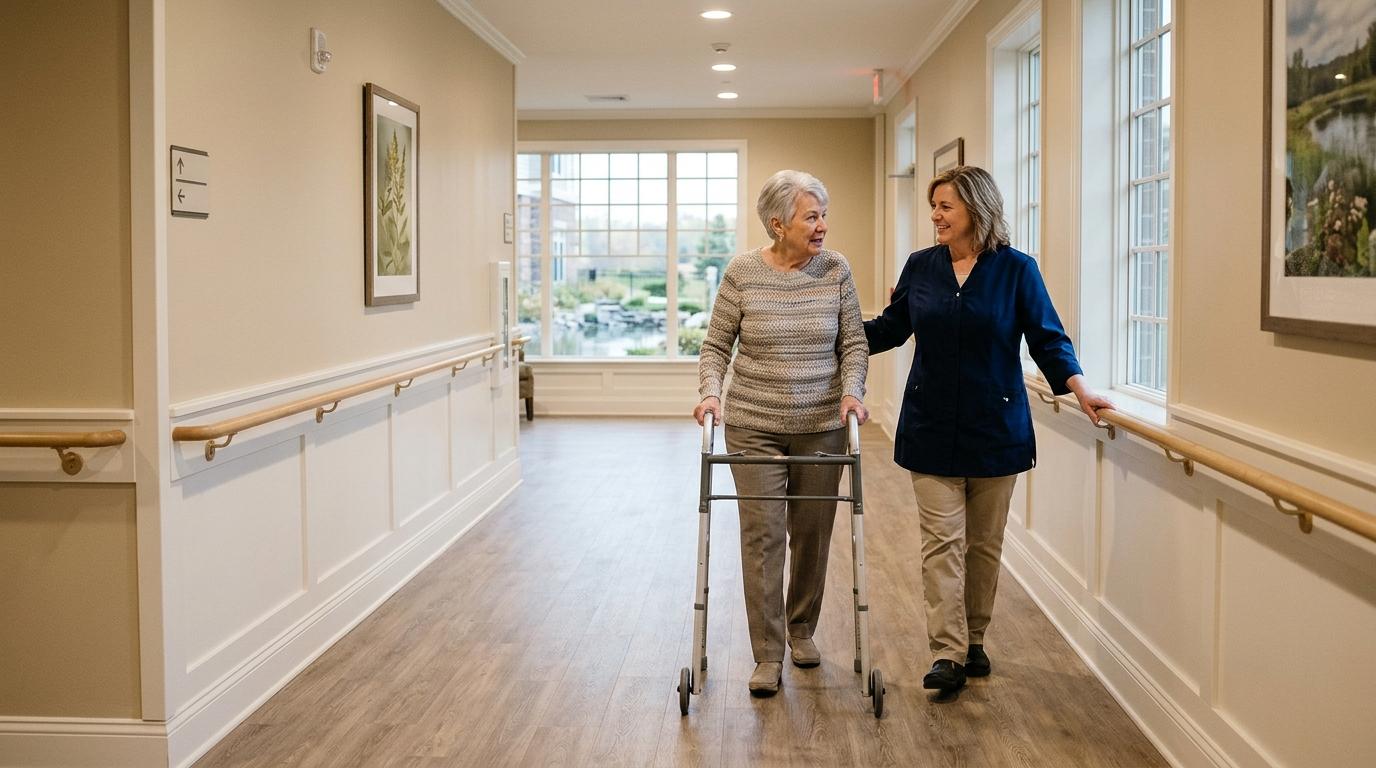
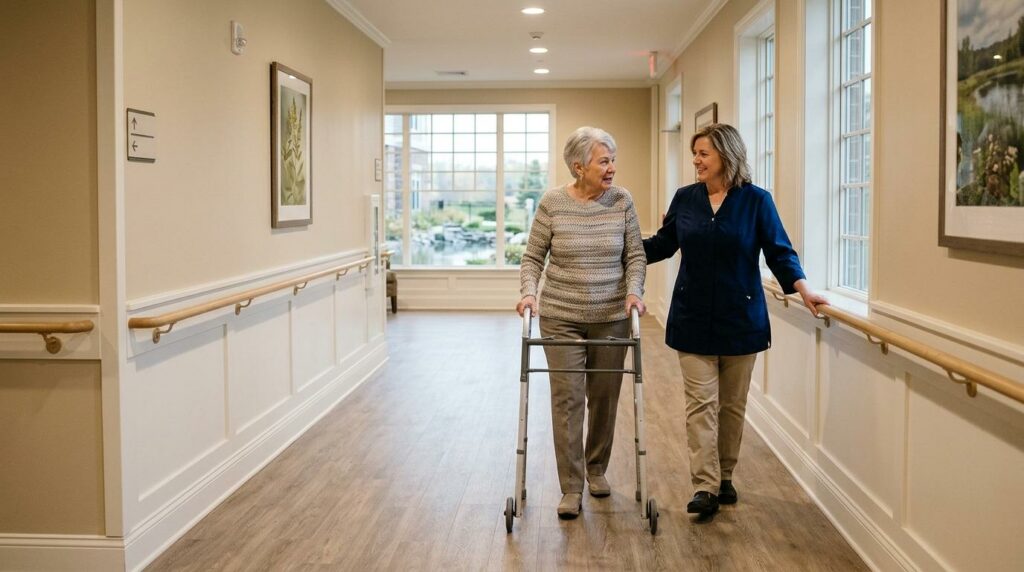
A loose rug, dim hallway, or slippery bathroom floor can turn an ordinary trip across the room into a hazard. Assisted living communities are designed with older adults’ mobility in mind, with features such as grab bars, handrails, non-slip surfaces, good lighting, and clear pathways. These details reduce common environmental risks while allowing residents to move around their community comfortably.
Personalized Daily Support
Some parts of the day are simply harder than others. Personalized assistance with bathing, dressing, transfers, and other daily tasks gives residents support where their own mobility needs call for it. Care plans can also reflect changes in a resident’s abilities, so support remains appropriate as those needs evolve.
Strength and Balance Programs
Strong legs and steady balance matter every time someone gets out of a chair, walks to lunch, or steps into the shower. Fitness and wellness programs can give residents regular opportunities to work on strength, flexibility, balance, and comfortable movement at an appropriate level. Just as importantly, movement becomes part of the normal rhythm of the week rather than something that has to be tackled alone.
Health and Medication Support
Fall risk isn’t always visible. Medications, dizziness, changes in vision, and shifts in mobility or general health can affect how steady an older adult feels from one day to the next. Consistent support gives residents another layer of attention as their needs change and helps keep their care plan aligned with those needs.
Consistent Routines and Everyday Activity
A familiar routine removes some of the rush and uncertainty from the day. Regular meals, activities, fitness programs, and social opportunities also give residents natural reasons to get up and move instead of spending long stretches sitting alone. Daily life stays active, but it also has structure.
What to Look for in an Assisted Living Community
Fall prevention should be part of how a community operates every day, not limited to a few safety features. As families compare assisted living options, it helps to look at how the environment, available support, and wellness programs work together.
During a visit, your family should assess:
- Safety features in apartments, bathrooms, hallways, and shared spaces
- Handrails, accessible layouts, appropriate flooring, and adequate lighting
- How the community assesses each resident’s mobility and daily support needs
- Assistance available with bathing, dressing, transfers, and other everyday tasks
- Support available during the day and overnight
- How care plans change as a resident’s mobility or support needs evolve
- Fitness programs that support strength, balance, flexibility, and regular movement
- Wellness activities designed for residents with different mobility levels
The strongest approach considers the whole picture. A community should have practical safeguards in place while also providing the support and opportunities residents need to stay active and involved in daily life.
Supporting Safety and Independence at Harrison Bay Senior Living
Reducing fall risk isn’t about removing every challenge from an older adult’s day. It’s about creating the right layers of support, from safer surroundings and regular movement to personalized assistance when it’s needed. Assisted living can bring those pieces together while giving residents room to remain active and involved in their own routines.
At Harrison Bay Senior Living, we want residents to feel supported as they move through each day and families to feel confident in the care surrounding their loved ones. Our assisted living community offers a setting where safety, independence, and quality of life can remain part of the same conversation. Schedule a tour of Harrison Bay Senior Living today to learn more about assisted living and the support available for your loved one.
A fall can happen in an instant, and the aftermath can change everything. For older adults, a single fall can lead to weeks of recovery, lost mobility, and a real dip in how they feel about moving through daily life. It’s one of the most common concerns families have when thinking about a loved one’s safety at home.
Assisted living communities are designed from the ground up to reduce fall risks while keeping residents active, engaged, and supported every single day. It’s not just about removing hazards. It’s about creating an environment where your loved one can move freely, get help when needed, and build the strength to keep going. What fall prevention looks like in a real community setting is a great place to start.
How Assisted Living Spaces Are Designed for Safety
Features That Reduce Fall Risks
At home, small things can become big hazards. A rug that shifts underfoot, a poorly lit hallway, or a bathroom without a grab bar can all set the stage for a fall. Assisted living communities are built with these risks in mind from the very start.
Grab bars, handrails, and non-slip flooring are standard throughout the building, not just in bathrooms. Hallways and common areas are well-lit so navigation feels easy and natural, even for residents with changing vision. The layout itself is intentional, with wide pathways and minimal obstacles that could cause someone to trip or lose their footing. The National Institute on Aging highlights how environmental changes like these can make a meaningful difference in fall prevention.
Staff Support Around the Clock
A thoughtful environment matters, but so do the people in it. Care teams in assisted living communities are available day and night to offer a steadying hand, answer a call for help, or simply check in. That kind of consistent presence makes a real difference, especially during early mornings or late nights when falls are more likely to happen.
Each resident also receives a personalized care plan that reflects their specific needs, mobility level, and health history. This means the support your loved one receives is tailored to them, not a one-size-fits-all approach. When caregivers know your loved one well, they can anticipate needs before a situation becomes a problem. You can learn more about what that personalized support looks like by exploring Harrison Bay’s services and programs.
Fitness and Wellness Programs That Strengthen the Body
Strength and balance don’t have to fade with age. In fact, regular movement can help maintain both, and assisted living communities are set up to make that movement part of everyday life. Balance and strength classes are designed with older adults in mind, focusing on building the physical stability that helps prevent falls.
Daily movement routines, from gentle stretching to guided fitness sessions, support coordination and body awareness over time. These aren’t intense workouts. They’re accessible, enjoyable, and woven into the rhythm of the day. Wellness programs also connect physical health to overall vitality, so residents aren’t just moving more. They’re feeling better, too. Senior exercise programs are one of the most rewarding ways to support long-term strength and steadiness.
The Role of Connection and Routine in Fall Prevention
How Social Engagement Supports Physical Health
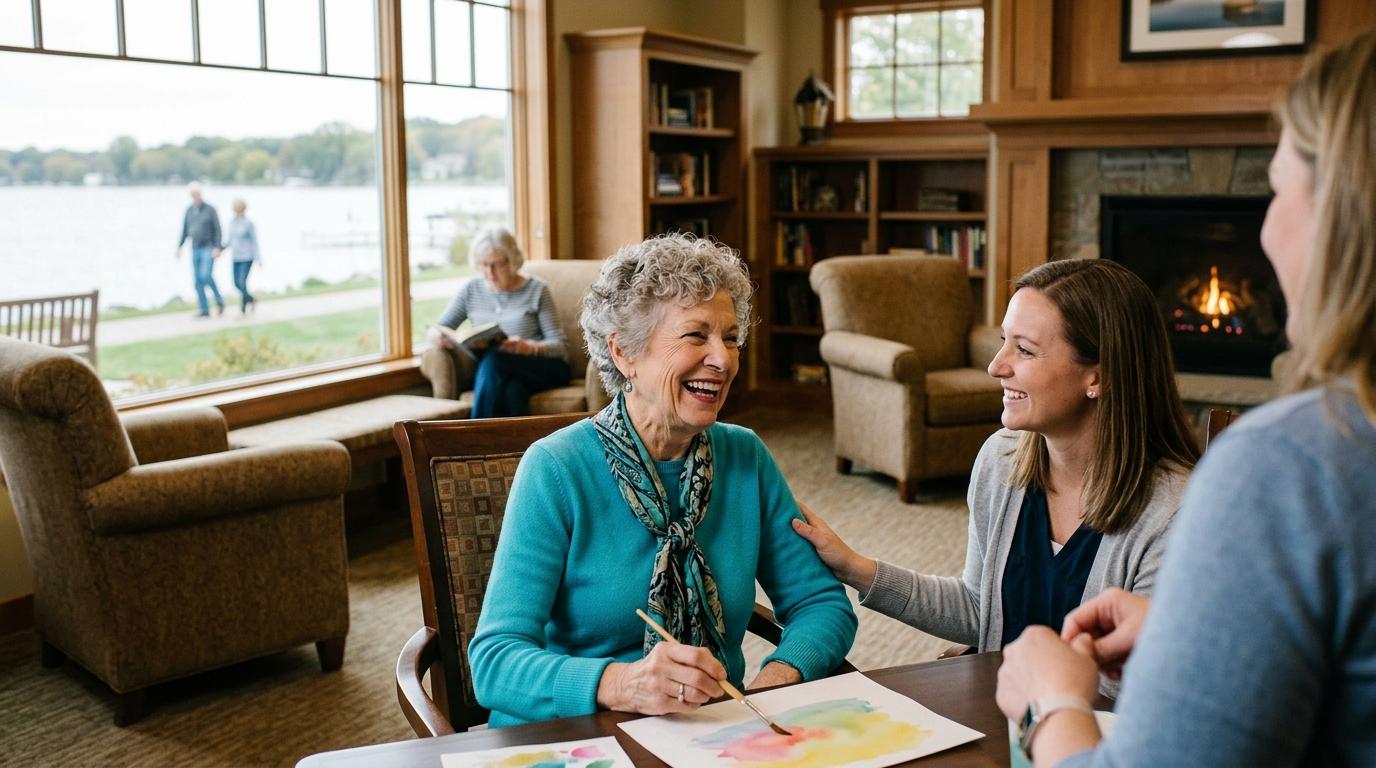
There’s a real link between staying socially connected and staying physically well. When your loved one is engaged with others, participating in activities, and feeling a sense of purpose, they’re also more alert and more active. Regular group events and community gatherings naturally encourage movement and mental sharpness, both of which play a role in reducing fall risk.
Loneliness and emotional withdrawal can lead to decreased motivation, less movement, and a general decline in awareness. Research from the National Institute on Aging points to the health risks of social isolation, including effects on physical function and overall well-being. Assisted living communities offer a built-in social world that keeps residents connected and invested in their days.
How Consistent Daily Routines Lower Risk
Familiarity is a form of safety. When your loved one knows what to expect each day, from when meals are served to when activities take place, they move through their environment with more ease and less confusion. That predictability reduces the kind of disoriented or rushed movement that can lead to a stumble.
Structured routines also keep residents active and engaged throughout the day, rather than sitting for long stretches that can weaken muscles and slow reaction time. A good daily rhythm supports the whole body, not just the schedule. Browsing the monthly activity calendar gives a real sense of how that rhythm takes shape each day.
What to Look for When Choosing an Assisted Living Community
When touring an assisted living community, ask specifically about fall prevention programs and what safety features are built into the environment. Look for communities where personalized, on-site care support is part of the daily experience, not just an option to add on. It also helps to get a feel for how the team approaches the whole person, not just their physical needs, but their joy, purpose, and sense of belonging. The right questions to ask assisted living communities can make the decision process feel a lot clearer.
A Safer, Fuller Life Is Within Reach
Safety and independence aren’t opposites. In the right assisted living community, your loved one can have both. At Harrison Bay Senior Living, the focus is on supporting residents so they can live fully, move freely, and feel at home every day. A tour is a wonderful first step toward finding that peace of mind for your whole family.